
The Ultimate Guide to Home Energy Storage Solutions
Posted by LinioTech on Mar 25th 2026
Electricity is essential for modern living, but power outages and rising energy costs can create serious challenges for homeowners. At this point home energy storage solutions are very important. These systems allow homeowners to store electricity often generated from solar panels and use it whenever needed. As a result, you can keep your home running during outages while also reducing reliance on the power grid.
In addition, energy storage helps improve energy efficiency and can lower monthly utility bills. Instead of wasting excess electricity, the stored power can be used during peak hours or emergencies. Because of these benefits, many homeowners are now exploring different storage options. In this guide, we will explain how home energy storage systems work, their key benefits, and what to consider before choosing the right solution for your home.
What Are Home Energy Storage Solutions and How Do They Work?
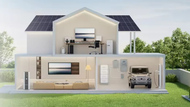
Residential energy storage systems allow consumers to save energy. Home energy storage battery system can save energy from alternating current (AC) power sources like the grid or renewable energy systems (e.g, solar panels) during off-peak use and discharge it during peak use times.
How Home Energy Storage Benefits Homeowners
- Lower Electricity Bills: Store energy when rates are low and use it during peak hours.
- Backup Power: Keep essential devices running during outages.
- Sustainable Energy Use: Maximize the use of solar energy and reduce carbon footprint.
By understanding these basics, homeowners can make informed choices and enjoy long-term savings.
Types of Home Energy Storage Solutions
There are several options when it comes to power storage system. Each has its benefits depending on your home’s energy needs.
1. Lithium-Ion Batteries
People currently prefer lithium-ion batteries as their primary choice for storing energy at home. However the system operates with high efficiency to store substantial energy capacity within its small physical dimensions. These batteries are an ideal solution for homeowners. They provide a dependable and durable energy system. They integrate perfectly with modern solar power installations.
Top Features of Home Lithium-Ion Batteries
- High energy density: Stores more energy in less space, ideal for homes with limited space.
- Long lifespan: Can last up to 10–15 years with proper maintenance.
- Faster charging and discharging: Quickly delivers power when needed, especially during peak hours or outages.
2. Lead-Acid Batteries
Lead-acid batteries are the conventional solution for energy storage because they have been in use for decades. The system provides an economical solution that requires minimal effort to install, yet operates at lower efficiency than modern systems. Moreover homeowners currently use basic storage systems but seek superior solutions as technology advances.
Key Considerations of Lead-Acid Home Batteries
- Lower upfront cost: More budget-friendly initially, making them accessible to many households.
- Shorter lifespan: Typically lasts 3–5 years, requiring more frequent replacements.
- Heavier and less efficient: Bulkier and not as efficient in energy storage and output as lithium-ion.
3. Flow Batteries
Flow batteries represent a developing technology that enables home energy storage. Homeowners who require extended power backup need a storage solution that delivers long-lasting performance and environmental sustainability. Moroever the higher cost of flow batteries makes them suitable for operating large storage systems that require a continuous energy supply over extended periods.
Ideal Use Cases for Flow Batteries
- Large-scale storage: Can handle significant energy loads, perfect for bigger homes or high consumption.
- Homes requiring long-duration backup: Provides a consistent energy supply for extended periods during outages.
- High cycling capacity: Can be charged and discharged many times without significant degradation.
How to Choose the Right Home Energy Storage System
Selecting the right power storage system depends on your energy goals, home size, and budget. Consider the following factors:
Assess Your Energy Needs
- Calculate your average daily electricity consumption.
- Determine which devices are essential during outages.
Battery Capacity
- Measured in kilowatt-hours (kWh), this shows how much energy your system can store.
- A higher capacity is ideal for larger homes or frequent power outages.
Integration with Renewable Energy
- If you have solar panels, ensure your storage system is compatible.
- Some systems offer smart inverters to optimize energy use.
Cost vs. Benefits
- Factor in installation, maintenance, and potential energy savings.
- Some government incentives and rebates may reduce upfront costs.
Installation and Maintenance Tips
Home energy storage systems require proper installation and regular maintenance to achieve their optimal performance. A system that underwent correct installation demonstrates two benefits, which include efficient performance and extended system lifespan. The expert guidelines ensure you achieve maximum energy savings while avoiding expensive problems.
Installation Tips
Before using your energy storage system, proper setup is critical. Consider these key points:
- Hire certified technicians for setup: Professional installers ensure your system is safe, compliant, and optimized.
- Ensure your system is placed in a ventilated, dry area: Avoid moisture and heat buildup, which can damage the battery.
- Follow manufacturer guidelines for optimal performance: Proper installation ensures warranty coverage and efficient operation.
Maintenance Tips
Regular care keeps your system running efficiently and extends its lifespan. Simple maintenance steps include:
- Monitor battery health regularly: Check for any signs of wear or unusual performance.
- Keep software for smart energy systems updated: Many modern storage solutions include smart monitoring software that benefits from updates.
- Avoid extreme temperatures to prolong battery life: Batteries function best in stable, moderate temperatures; avoid placing them in direct sunlight or freezing conditions.
By following these tips, homeowners can enjoy reliable backup power, maximize energy savings, and ensure their home energy storage system remains safe and efficient for years.
Future of Home Energy Storage
The future is bright for home energy storage. Innovations are making systems:
- Smarter with AI-based energy management
- More affordable due to mass production
- Efficient with longer-lasting batteries
As renewable energy adoption increases, home storage will become a standard feature in energy-efficient homes.
Conclusion
Choosing home energy storage solutions is a smart decision, as it provides savings and backup power for the home. Moreover an excellent home energy storage system stores electricity from the grid and/or solar panels, allow better energy management and reduced reliance on the power company. Drawing power from the company less frequently will lower bills and help save money. Modern home storage solutions use lithium-ion, lead-acid, or flow batteries. These batteries are efficient and powerful, and complement solar storage well.
Liniotech manufactures energy storage systems of exceptional quality and performance. With their excellent customer service and advanced systems, we enables families to save energy and enjoy reliable, secure electricity.