
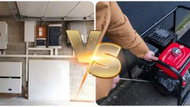
Solar Battery vs Generator: Which Backup Power is Better?
Posted by LinioTech on Feb 23rd 2026
When comparing Solar Battery vs Generator, the right choice depends on your energy needs and lifestyle. Solar batteries provide quiet, eco-friendly, low-maintenance backup power, storing excess solar energy for use during outages or at night. They are ideal for homeowners seeking sustainable and reliable power backup. Generators, however, deliver immediate high-output electricity, making them perfect for powering heavy appliances during emergencies or extended outages.
Each option offers unique benefits: solar batteries deliver long-term savings and environmental advantages, while generators provide quick, reliable power when you need it most. For maximum resilience, some households even combine both systems, leveraging the efficiency of solar storage with the reliability of a generator. By understanding your priorities and power requirements, you can choose the best backup power solution that keeps your home or business running smoothly, safely, and efficiently.
Why Backup Power Matters
Power outages are more than merely inconvenient; they can disrupt operations, damage sensitive equipment, and compromise home security. Investing in an efficient solar power backup system provides numerous significant benefits:
- Continuous electricity during emergencies: Keep your lights, HVAC, and vital appliances running during power outages.
- Device protection: Prevent sudden power surges from damaging computers, refrigerators, or medical equipment.
- Energy independence: Reduce reliance on the grid and enjoy more control over your electricity usage.
- Peace of mind: Know that your home or business remains powered, even during storms or outages.
Regions prone to frequent outages, like coastal areas in the U.S., urban centers with aging infrastructure, or rural communities with limited grid access, benefit most from investing in a dependable backup power solution.
Solar Battery vs Generator: Detailed Comparison for Backup Power
When evaluating a solar battery vs generator, the decision depends on how each system performs across critical factors such as energy source, sustainability, maintenance, power output, reliability, and long-term cost. Both solutions provide backup power, but they serve different usage scenarios. The comparison below explains the functional differences in a clear, search-optimized format.
1. Energy Source
Backup systems differ primarily in how they generate or store electricity. However, the energy source directly affects reliability, sustainability, and operating costs.
- Solar Battery: A solar battery is an electric battery that stores solar panel-generated electricity. It generates solar energy on a renewable basis and provides power during lulls or at night using stored capacity.
- Generator: A generator generates electricity by burning gasoline, diesel, or propane as a type of fuel. It can produce electricity at any time, provided fuel is available.
Best Use Case / Notes: Solar batteries rely on stored renewable energy, whereas generators produce power on demand.
2. Sustainability & Environmental Impact
Environmental impact is a major consideration for modern homeowners and businesses. Energy systems vary significantly in emissions and ecological footprint.
- Solar Battery: Solar batteries operate with zero emissions and support clean energy usage. If you choose the right solar battery capacity, it will help reduce dependence on fossil fuels and lower your carbon footprint.
- Generator: Generators rely on fuel combustion, producing exhaust emissions. Continuous use increases environmental impact.
Best Use Case / Notes: Solar batteries are ideal for eco-friendly and sustainable energy strategies.
3. Noise Level
Noise output affects comfort, usability, and neighborhood compatibility. Quiet systems are generally preferred in residential settings.
- Solar Battery: Solar battery systems operate silently with zero noise. They provide uninterrupted backup without noise disturbance.
- Generator: As we all know, due to engine operation generator produces a clear and prominent noise.
Best Use Case / Notes: To avoid noise-free environments, solar batteries are the best option.
- Maintenance Requirements
Long-term convenience and reliability of systems are affected by maintenance requirements. Moreover, fewer maintenance systems decrease effort and operational risk.
- Solar Battery: The maintenance of Solar batteries is so easy due to the minimal moving parts. Neither fuel handling nor engine servicing is required.
- Generator: Generators must be serviced regularly. Service maintenance can include oil changes, fuel checks, and other tasks.
Best Use Case / Notes: Solar batteries have simpler ownership and fewer maintenance issues.
5. Power Output
Power capacity determines which appliances or devices can run during outages. Different systems support different load levels.
- Solar Battery: Solar batteries deliver moderate power, limited by battery capacity and inverter capacity. They are well-suited for essential household loads.
- Generator: Generators typically deliver higher power output capable of running heavy appliances and equipment.
Best Use Case / Notes: Generators are preferable for high-demand energy usage.
6. Reliability During Power Outages
Reliability is a critical factor when selecting backup power solutions. Performance varies based on operating conditions and resource availability.
- Solar Battery: Backup duration depends on stored energy and solar production. Extended outages may deplete reserves.
- Generator: Generators function continuously as long as fuel is supplied. They are independent of sunlight and weather.
Best Use Case / Notes: Generators provide stronger support for prolonged outages.
7. Cost Over Time
Evaluating lifetime costs helps determine true value and return on investment. Initial and recurring expenses differ between systems.
- Solar Battery: Solar batteries involve a higher upfront investment but very low operating costs. Sunlight provides free energy.
- Generators: They may cost less initially but incur ongoing fuel and maintenance costs.
Best Use Case / Notes: Solar batteries often deliver better long-term savings.
8. Ease of Use & Automation
User experience and operational simplicity influence everyday practicality. Automated systems reduce manual intervention.
- Solar Battery: Solar batteries typically operate automatically, switching seamlessly during outages. Minimal user involvement is required.
- Generator: Many generators require manual startup and monitoring unless using advanced standby models.
Best Use Case / Notes: Solar batteries provide greater convenience and ease of use.
9. Hybrid Energy Strategy
Combining technologies can improve energy resilience and flexibility. Hybrid solutions address the limitations of individual systems.
- Solar Battery: Solar batteries can integrate with generators to extend backup duration. This improves reliability during extended outages.
- Generator: Generators can complement battery systems by providing power when storage is depleted.
Best Use Case / Notes: Hybrid systems provide greater energy security and better performance balance.
Conclusion
The decision between a generator and a solar battery ultimately comes down to your priorities, energy use, and outage trends. A generator provides high-output electricity during prolonged outages or periods of peak demand, while a solar battery provides clean, quiet, and low-maintenance backup power. The greatest backup power solutions for many households combine the two technologies for optimal resilience. Linotech, a prominent firm, offers advanced solar battery systems and comprehensive solar power backup solutions, backed by dependable performance, quality, and service.
By selecting Linotech, you gain reliable energy solutions, reduced costs, and peace of mind, no matter the situation. Trust our expertise to provide long-lasting, efficient systems that meet your needs and deliver consistent performance. Let Linotech be your partner in powering a more sustainable and cost-effective future.