What is a Residential Energy Storage System?
Posted by Liniotech on Apr 20th 2026
Imagine never worrying about power outages or high electricity bills again. That's what a residential energy storage system can do for your home. But what exactly is it? In simple words, it's like a big battery for your house. It stores extra energy, so you can use it when you need it most.
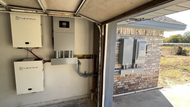
These systems are becoming more popular as people look for ways to save money, use clean energy, and stay prepared during storms or blackouts. They work quietly, sit safely in your garage or backyard, and give you control over your home's electricity.
Whether you get your energy from solar panels or the grid, a residential energy storage system makes sure you always have power when you need it. It's smart, simple, and helpful.
How Does a Residential Energy Storage System Work?
A Residential Energy Storage System is a smart technology that enables homeowners to store electricity for later use. It helps manage energy more efficiently by storing power from solar panels or the grid. This makes homes more energy-independent, cost-effective, and reliable during power outages.
Energy Generation or Collection
Energy is collected from sources like solar panels or the main electricity grid. When using solar panels, electricity is generated during the day using sunlight. In many home energy storage systems, electricity can also be stored from the grid during off-peak hours when prices are lower.
Energy Storage
The generated electricity is stored in a rechargeable battery inside the system. These home energy storage systems use Lithium Iron Phosphate (LFP) batteries because they are safe, highly efficient, and long-lasting , offering an impressive 6,500–8,500 charge cycles. The stored energy is saved for later use when the home needs electricity.
Energy Conversion
The electricity stored in the battery is in DC (direct current) form, but household appliances use AC (alternating current). An inverter converts this energy so it can be used in the home. In a battery energy storage system for home, this step is essential for running all electrical devices smoothly.
Energy Usage
When electricity is required, the system automatically supplies power from the stored energy. This can happen during the night, peak hours, or power failures. A Residential Energy Storage System ensures continuous and stable electricity without interruption.
Key Components of a Residential Energy Storage System
A Residential Energy Storage System is made up of several important components that work together to store, manage, and supply electricity. Each part plays a key role in ensuring the system operates safely and efficiently. Together, these components make modern residential energy storage systems highly reliable for everyday use.
Battery Unit
The battery is the main part where electricity is stored for later use. Most home energy storage system setups use Lithium Iron Phosphate (LFP) batteries, which deliver 6,500–8,500 cycles of reliable performance. This stored energy can power the home when needed.
Inverter
The inverter converts stored DC power into AC power used by home appliances. Without it, the energy in a battery energy storage system for home cannot be used directly. It ensures smooth energy delivery to all devices.
Battery Management System (BMS)
The BMS monitors battery health, temperature, and charging cycles. It protects the system from overheating or overcharging. This improves the safety and lifespan of home energy storage systems.
Energy Management System (EMS)
The EMS controls when to store and use electricity. It helps optimize energy usage based on demand and cost, integrating seamlessly with smart home automation for even greater control. This makes residential energy storage systems more efficient and cost-saving.
Connection Interface
This connects the system with solar panels, the grid, and the home electrical system. It ensures smooth energy flow between all sources. It is a vital part of any home energy storage system.
Types of Residential Energy Storage Systems
There are different types of residential energy storage systems, each designed for specific energy needs. Some focus on solar energy, while others use grid electricity or a combination of both. Choosing the right Residential Energy Storage System depends on usage patterns and energy goals.
Solar Battery Storage Systems
These systems store extra solar energy produced during the day. The stored energy is used at night or during cloudy weather. This type of home energy storage system is popular among eco-friendly households.
Grid-Connected Storage Systems
These systems store electricity from the grid during off-peak hours. The stored energy is used during peak times to reduce electricity bills. A battery energy storage system for home like this helps manage energy costs effectively.
Hybrid Systems
Hybrid systems combine solar power and grid electricity. They provide more flexibility and reliability compared to single-source systems. Many modern home energy storage systems use this advanced setup.
Backup Power Systems
These systems are designed mainly for emergencies like power outages. They store enough electricity to run essential appliances. A Residential Energy Storage System used as backup ensures safety and comfort during blackouts.
Benefits of Residential Energy Storage Systems
A Residential Energy Storage System offers many benefits for homeowners looking to improve energy efficiency and reduce costs. It supports clean energy usage and provides reliable backup power. As a result, more people are adopting residential energy storage systems in modern homes.
Lower Electricity Bills
By using stored energy during peak hours, homeowners can significantly reduce electricity costs. A home energy storage system helps avoid expensive electricity rates. This leads to long-term savings.
Energy Independence
These systems reduce dependence on the main power grid. Homeowners can rely more on stored or solar energy. This makes home energy storage systems a great step toward energy independence.
Backup Power Supply
During power outages, stored energy keeps essential appliances running. A battery energy storage system for home ensures uninterrupted electricity. This is especially useful in areas with unstable power supply.
Better Use of Renewable Energy
When combined with solar panels, these systems store excess clean energy. This reduces energy waste and increases efficiency. A Residential Energy Storage System helps maximize renewable energy use.
Environmental Benefits
Using stored renewable energy reduces carbon emissions. This supports a cleaner and greener environment. Many residential energy storage systems are designed with sustainability in mind.
Peak Load Management
These systems store energy during low demand and use it during high demand. This helps balance electricity usage efficiently. A home energy storage system makes energy consumption more stable.
Long Warranty & Certified Quality
Quality residential energy storage systems come backed by 10–15 year warranties, giving homeowners long-term peace of mind. Leading systems also carry industry certifications including UL9540A, UL9540, UL1973, CB-IEC62619, CE-EMC, and UN38.3, ensuring they meet the highest safety and performance standards.
Where Are Residential Energy Storage Systems Used?
Residential Energy Storage Systems are used in many types of homes and living environments. They are especially helpful where electricity is expensive or unreliable. The popularity of home energy storage systems is increasing in both urban and rural areas.
Private Homes and Villas
Many homeowners install these systems to reduce electricity bills and improve energy control. A battery energy storage system for home provides reliable backup and daily energy support.
Apartments with Solar Installations
Apartments using shared solar systems benefit from energy storage. It helps store extra energy for later use. These residential energy storage systems improve building-wide efficiency.
Rural Areas with Unstable Electricity Supply
In rural locations, power cuts are common, making storage systems very useful. A home energy storage system ensures continuous electricity during outages.
Eco-Friendly or Off-Grid Homes
Off-grid homes rely fully on renewable energy and storage systems. A Residential Energy Storage System makes it possible to live without grid dependency.
Smart Homes with Automated Systems
Smart homes use advanced technology to manage electricity usage. These home energy storage systems integrate with the Energy Management System (EMS) and home automation for better control and efficiency.
Challenges of Residential Energy Storage Systems
Although a Residential Energy Storage System offers many advantages, there are also some challenges. These challenges should be considered before installation. Even modern residential storage systems require planning and investment.
High Initial Cost
The upfront cost of installation can be expensive for many homeowners. A home energy storage system requires investment in batteries and equipment. However, long-term savings can balance the cost.
Battery Lifespan
Batteries lose some efficiency over time. However, modern LFP batteries used in quality systems offer 6,500–8,500 cycles and a 10–15 year warranty, significantly reducing replacement concerns compared to older battery technologies.
Space Requirements
These systems need dedicated space for installation. Not all homes have enough room for batteries and equipment. Proper planning is necessary for home energy storage systems.
Maintenance Needs
Regular maintenance is needed to ensure safety and performance. Although minimal, it helps extend system life. A well-maintained Residential Energy Storage System performs more efficiently.
Despite these challenges, the long-term benefits of a Residential Energy Storage System far outweigh the initial hurdles. With the right product, backed by strong warranties, certified safety standards, and reliable LFP technology, homeowners can confidently invest in a cleaner, more resilient energy future.
Conclusion
A Residential Energy Storage System is no longer a luxury; it is becoming an essential part of modern home energy management. From cutting electricity bills and providing backup power during outages to supporting renewable energy and reducing your carbon footprint, the benefits are clear and lasting.
With advanced Lithium Iron Phosphate (LFP) batteries offering 6,500–8,500 cycles, 10–15-year warranties, and certifications such as UL9540A, UL1973, and CE-EMC, today's home energy storage systems are safer, smarter, and more reliable than ever before.
As energy costs continue to rise and grid reliability remains uncertain in many regions, investing in a home energy storage system is one of the smartest decisions a homeowner can make. Explore smarter storage solutions with Liniotech and move toward a more reliable, efficient, and independent energy future. Contact us today to get expert guidance and a tailored solution for your energy needs.