
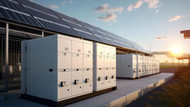
Commercial Energy Storage to Protect Business
Posted by LinioTech on Jun 20th 2022
Energy costs have become one of the most unpredictable and difficult expenses for businesses to manage. Utility rates continue to rise, demand charges fluctuate month to month, and grid reliability is increasingly strained. For many companies, electricity is no longer just an operating cost; it is a risk factor that can disrupt cash flow, production schedules, and long-term planning.
When energy prices spike or outages occur, businesses are often forced into reactive decisions that further increase costs. That is why more companies are turning to commercial energy storage systems as a strategic solution. By storing electricity and deploying it intelligently, businesses gain control over when and how energy is used.
At LINIOTECH, commercial energy storage is approached as a business tool, not just an energy upgrade. The goal is to reduce volatility, improve operational resilience, and turn energy from a liability into a controllable asset.
Why Energy Volatility Is a Growing Business Challenge
Electricity markets are changing rapidly. Utilities now rely heavily on demand-based pricing structures, time-of-use rates, and peak load penalties. Even if your total energy consumption stays consistent, short periods of high demand can significantly increase your monthly bill.
For businesses with manufacturing equipment, refrigeration systems, data centers, EV chargers, or HVAC-intensive operations, these spikes are difficult to avoid. A single surge in power usage can trigger demand charges that affect the entire billing cycle.
At the same time, grid reliability is declining in many regions. Extreme weather events, aging infrastructure, and increased load from electrification all contribute to outages and instability. For businesses, even brief downtime can mean lost revenue, damaged equipment, or compromised safety systems.
Commercial energy storage directly addresses these challenges by giving businesses more control over energy flow and timing.
What a Commercial Energy Storage System Does
A commercial energy storage system stores electricity in batteries and releases it when needed. The system operates behind the meter, meaning it works on your side of the utility connection. This allows stored energy to supplement or replace grid power during high-cost or high-demand periods.
Storage systems can charge from the grid when electricity prices are low, from on-site renewable generation such as solar, or from a combination of both. Advanced control software continuously monitors usage patterns and automatically determines when to charge and discharge energy to maximize efficiency.
Instead of reacting to utility pricing, your business proactively manages energy usage based on cost, demand, and operational priorities.
Turning Energy from an Expense into a Strategic Asset
Traditional energy consumption is passive. Businesses use electricity when needed and accept whatever costs appear on the bill. A commercial energy storage system changes that dynamic.
With storage in place, energy becomes something you actively manage. You decide when to use grid power, when to deploy stored energy, and how to shape demand throughout the day. This shift allows businesses to stabilize monthly costs and plan with greater financial certainty.
Over time, storage systems also create opportunities for additional value, including participation in utility programs, peak-shaving incentives, and renewable-integration strategies.
Reducing Demand Charges with Precision Control
Demand charges are one of the most expensive components of commercial electricity bills. These charges are based on the highest level of power drawn from the grid during a billing period, even if that peak lasts only a few minutes.
In many cases, demand charges account for 30 to 70 percent of a commercial electric bill. This makes them a prime target for cost reduction.
A commercial energy storage system reduces demand charges by supplying stored energy during peak usage moments. When your facility approaches a demand threshold, the system automatically discharges energy to limit grid draw. This smooths out spikes and keeps demand levels below costly thresholds.
The result is lower peak demand and a lower monthly bill, without requiring operational changes or reducing productivity.
How Load Shifting Lowers Energy Costs
Load shifting is another significant financial benefit of commercial energy storage. Utilities often charge higher rates during peak hours, typically when overall grid demand is highest.
With energy storage, your system charges batteries during off-peak hours when rates are lower. During peak-rate periods, stored energy is used instead of grid power. This allows your business to avoid premium pricing while maintaining normal operations.
Advanced energy management software ensures this process happens automatically. The system learns usage patterns, predicts demand, and optimizes charging and discharging schedules to maximize long-term savings.
Improving Business Resiliency and Continuity
Power outages are more than an inconvenience for businesses. They can halt production, damage equipment, compromise safety systems, and disrupt customer service. For some industries, downtime can result in significant financial losses within minutes.
A commercial energy storage system provides backup power during grid outages. When paired with the appropriate inverters and control systems, stored energy can supply electricity to critical loads, including lighting, refrigeration, servers, and essential machinery.
When integrated with solar generation, storage systems allow businesses to maintain power even during extended outages. This level of resiliency is especially valuable for healthcare facilities, logistics operations, data-driven companies, and manufacturers.
Managing Sudden Increases in Power Demand
Utility billing is influenced not only by total energy usage but also by short bursts of high demand. These spikes often occur when equipment starts up, processes overlap, or multiple systems run simultaneously.
A behind-the-meter commercial energy storage system responds instantly to these demand surges. Stored energy supplements grid power during spikes, preventing sudden increases in demand charges.
This real-time response creates smoother energy usage profiles and more predictable billing outcomes, even in facilities with complex or variable loads.
Supporting Sustainability Without Sacrificing Performance
Sustainability goals are increasingly important for businesses, but environmental responsibility must align with operational efficiency. Commercial energy storage helps bridge that gap.
By enabling greater use of renewable energy and reducing reliance on fossil fuel-powered peaker plants, storage systems lower carbon emissions while improving grid stability. When paired with solar generation, storage maximizes self-consumption and reduces wasted clean energy.
This allows businesses to meet sustainability targets without compromising reliability or financial performance.
Grid-Level Benefits That Create Long-Term Value
Commercial energy storage systems also support the broader electrical grid. Storage responds faster than traditional generation sources, helping stabilize frequency and balance supply and demand.
As utilities face increased pressure from renewable integration and electrification, energy storage becomes a critical component of grid reliability. Businesses with storage systems may benefit from future incentive programs, demand response opportunities, and participation in grid services.
These additional value streams continue to expand as energy markets evolve.
Why System Design Matters as Much as Technology
Not all commercial energy storage systems deliver the same results. Performance depends heavily on system sizing, integration quality, and control strategy.
A properly designed system matches storage capacity to actual load profiles. Oversized systems waste capital, while undersized systems limit savings. Control algorithms must be tuned to your business’s operating schedule, peak demand behaviour, and growth plans.
This is where experience and technical expertise make a measurable difference.
Why Businesses Choose LINIOTECH for Commercial Energy Storage
At LINIOTECH, commercial energy storage is not treated as a one-size-fits-all solution. Systems are designed around real-world business operations, not generic assumptions.
Each project begins with a detailed analysis of energy usage, demand patterns, and operational priorities. Storage capacity, inverter configuration, and control logic are selected to deliver consistent savings and long-term reliability.
Beyond installation, LINIOTECH focuses on system longevity, scalability, and performance monitoring. Technical support and system optimization ensure that storage continues delivering value as energy needs evolve.
Long-Term Financial Impact of Commercial Energy Storage
While commercial energy storage requires upfront investment, the long-term financial benefits are substantial. Reduced demand charges, lower peak energy costs, avoided outage losses, and potential incentive participation combine to create a strong return on investment.
As utility rates continue to rise, the value of stored energy increases. Storage systems protect businesses from future price volatility and create predictable energy costs in an uncertain market.
Over time, energy storage becomes less of an expense and more of a financial stabilizer.
The Future of Commercial Energy Management
The energy landscape is moving toward decentralization, automation, and intelligence. Businesses that adopt energy storage today position themselves ahead of regulatory changes, grid challenges, and pricing volatility.
Commercial energy storage is no longer an emerging technology. It is a proven solution that delivers immediate and long-term benefits across industries.
Final Thoughts
Fluctuating energy costs no longer have to dictate how your business operates. A commercial energy storage system gives you control, resilience, and predictability in an increasingly volatile energy market.
By reducing demand charges, enabling load shifting, providing backup power, and supporting sustainability goals, storage systems transform electricity from a fixed expense into a strategic asset.
With the right system design and support, commercial energy storage becomes a powerful tool for protecting profitability and ensuring long-term operational stability. If you’d like guidance on choosing the right system, visit our Contact Us or call us directly at 800-978-0161.
FAQs
What is a commercial energy storage system?
A commercial energy storage system stores electricity for later use, allowing businesses to reduce energy costs, manage peak demand, and maintain power during outages. It works by charging batteries during low-cost or low-demand periods and discharging them when energy is expensive or the grid is unavailable.
How does commercial energy storage reduce demand charges?
Commercial energy storage reduces demand charges by supplying stored energy during peak usage moments. This prevents sudden spikes in grid consumption, thereby lowering the highest-demand measurement used to calculate demand charges on utility bills.
Can a commercial energy storage system work with solar panels?
Yes, commercial energy storage systems integrate effectively with solar installations. Excess solar energy generated during the day is stored for later use, improving self-consumption and providing backup power during outages or low-production periods.
Does energy storage provide backup power during outages?
A properly configured commercial energy storage system can provide backup power during outages. When paired with the correct inverter and control setup, stored energy supplies electricity to critical loads, keeping essential operations running.
How does LINIOTECH support commercial energy storage projects?
LINIOTECH supports commercial energy storage projects through system design, technology selection, integration support, and long-term performance planning. Each solution is tailored to business energy usage, demand behaviour, and growth objectives to ensure reliable savings and operational stability.