Residential Energy Storage Systems vs. Generators
Posted by Liniotech on Apr 24th 2026
In today's world, uninterrupted power has become more than a convenience; it's a necessity. Homeowners face frequent power outages, rising electricity costs, and the growing demand for sustainable energy solutions. When it comes to keeping homes powered reliably, two popular options emerge: residential energy storage systems and generators. Both solutions serve the same core purpose, providing backup power, but they operate in fundamentally different ways. Energy systems store electricity from the grid or renewable sources like solar panels, offering clean, silent, and automated power. Generators, on the other hand, rely on fuel like diesel or gas to produce electricity on demand.
Understanding the benefits, limitations, and ideal use cases of each can help homeowners make informed decisions that balance convenience, cost, and environmental impact.
What Are Residential Energy Storage Systems?
Residential energy storage systems, commonly called home batteries, store electricity for later use. These systems are often paired with solar panels but can also store energy from the grid during off-peak hours to reduce electricity bills.
How They Work
Home batteries charge when electricity is available, then automatically provide power to your home during outages. Advanced systems include smart monitoring, allowing you to control energy usage, track battery health, and even integrate with home automation systems.
Benefits of Residential Energy Storage
- Clean and silent operation: No noise or fuel emissions
- Seamless backup: Automatically switches during power outages
- Cost savings: Stores electricity when rates are low and reduces peak-time usage
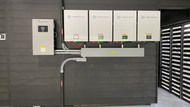
Modern battery storage for homes ensures uninterrupted power, even during frequent outages.
What Are Generators?
Generators are mechanical devices that produce electricity on demand, usually powered by diesel, gasoline, or natural gas. They have been the traditional choice for backup power in homes and businesses.
How They Work
Generators convert fuel into electricity whenever the main power supply fails. Unlike home batteries, they need to be started manually or with an automatic transfer switch and require regular fuel refills and maintenance.
Benefits of Generators
- High power output, can support large appliances or multiple homes in a blackout
- Immediate energy availability, works even without solar or grid connection
- Proven technology, widely used for decades, reliable for short-term outages
Comparing Residential Energy Storage Systems and Generators
When it comes to backup power, choosing between an energy storage vs generator isn't just about technology; it's about how it fits into your lifestyle, budget, and energy needs. Let's explore the main factors in detail.
1. Cost
Cost is often the first consideration for homeowners.
Generators are generally more affordable upfront. A mid-range generator can be installed quickly, and it delivers power as long as you have fuel. However, generators can deliver strong output for heavy appliances; they require fuel and maintenance. You'll need to regularly buy gasoline, diesel, or natural gas, schedule maintenance, and potentially replace parts over time. These recurring costs can add up and become significant if you experience frequent outages.
Energy storage systems, on the other hand, usually have a higher upfront cost. Installing a LiFePO4 home battery or home energy storage system paired with solar panels can feel like a big investment. But the math tends to work out over time, lower electricity bills, zero fuel costs, and fewer maintenance visits add up faster than most people expect. Plus, you avoid ongoing fuel costs, which makes them more cost-effective over time.
From a reader's perspective, this comparison invites them to think about short-term affordability versus long-term savings, helping homeowners make a financially informed decision.
2. Noise and Environmental Impact
Another vital factor is how your backup system will affect your home environment.
Generators are noisy and produce exhaust fumes and emissions during operation. Even a small generator can be loud enough to disrupt daily routines. The exhaust fumes also contribute to air pollution and climate change. For families with young children, pets, or people living nearby, this can be a real problem.
Energy storage systems operate quietly and without emissions. They run on electricity already stored up in advance, not on fuel. So they are both clean and safe, unobtrusive too. For anyone who seeks to create a sustainable home or reduce their carbon footprint, the ideal choice would be home batteries.
It is in this way that readers can imagine how a system will actually work and what benefits it offers their living environment as opposed to just its technical workings.
3. Convenience
How much effort you have to put into using your backup system matters — especially in stressful situations like a power outage.
Batteries provide automatic switching. When the grid goes down, they kick in instantly without any manual input. You can also monitor energy usage via apps, check battery levels, and even schedule power usage for efficiency. This hands-off approach is ideal for busy homeowners who want peace of mind.
Generators often require manual startup, fuel management, and occasional maintenance. While some high-end models offer automatic transfer switches, most still need some level of user intervention. Forgetting to refill fuel or perform maintenance can leave you without power when you need it most.
This helps readers evaluate how much time and effort they are willing to invest in maintaining their backup system.
4. Energy Capacity
The amount of power your home needs during an outage is crucial.
Generators can provide high energy output instantly, making them suitable for running multiple appliances, heating systems, air conditioning, or even heavy-duty tools. If your household relies on high-power devices or you live in an area with long outages, generators are a dependable choice.
Batteries typically have limited capacity, which means they are best suited for powering essential appliances like lights, refrigerators, Wi-Fi, and small electronics. Many homeowners pair their battery with solar energy storage systems to store excess solar generation and use it when needed.
Explaining capacity this way allows readers to match the technology to their home needs, avoiding disappointment or overspending.
Which One Is Right for Your Home?
The choice between a home energy storage system and a generator will depend on your priorities:
- If you want quiet, eco-friendly, and automatic backup, then a home battery is the smarter call and Liniotech's residential storage systems are built exactly for that. Explore Residential Storage Systems →
- If you need big-capacity power for heavyweight equipment and don't mind noise or fuel bills, then a generator might suit the bill.
Many homeowners combine both systems — batteries for daily backup and generators on reserve power during an extended outage. Not sure which setup fits your home? Talk to a Liniotech energy expert today.
Conclusion
While traditional generators and residential storage systems can both provide reliable backup power, the future of home energy is moving toward efficient, clean, and automated storage solutions. Silent operation, green power, seamless solar powered generators, and lower electricity bills, it's not just a smarter way to power your home, it's a more sustainable one.
Generators still have a place for high-demand circumstances or prolonged outages. But for most modern homes, energy storage solutions offer the better long-term combination of convenience, efficiency, and savings.
Ready to take control of your home's energy? Liniotech's residential energy storage systems and hybrid inverters are trusted by homeowners across the US, built on LiFePO4 technology with 10–15 year warranties and real after-sales support. Shop now or contact our team to find the right solution for your home.