
-

-

-

-

-

-

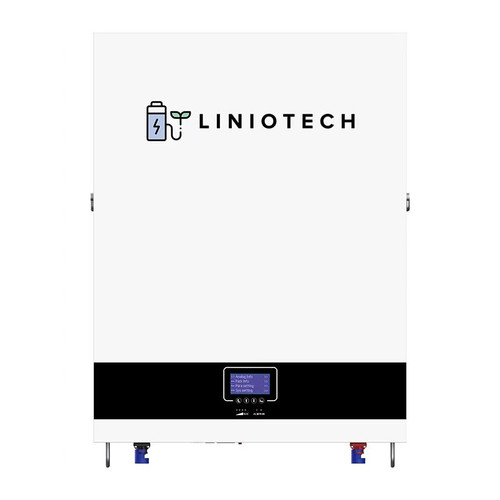
LINIOTECH 10 KWh 200Ah 48V LiFePO4 Lithium Solar Battery Brick Stackable
$2,899.00$2,699.00 -

-

-

-

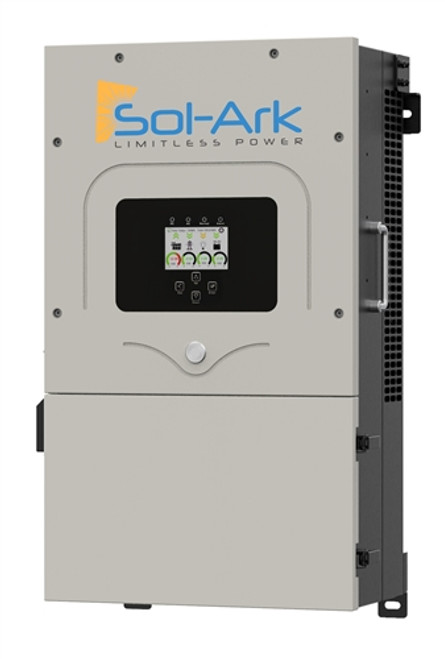
Sol-Ark
Sol-Ark 12K 120/240/208V 48V All-In-One Hybrid Inverter INDOOR/OUTDOOR NEMA-3R 10yr warranty
$4,899.00$4,199.00 -
-

-

-

-

-
-

Residential Energy Storage System
Home Energy Storage Systems Built for Real Homes
When the grid goes down, your home should not. A LINIOTECH home energy storage system keeps your fridge cold, your lights on, and your essentials running while everyone else waits for the power company. You store energy when it is cheap or free, then use it the moment you need it most.
This collection brings together residential energy storage systems, wall and floor-mounted batteries, and complete inverter-and-battery bundles. Every system here is built around durable LiFePO4 battery technology, so you get long cycle life, stable performance, and safe operation year after year. Whether you pair it with solar or run it as a standalone backup, you stay in control of your power.
Browse the systems below, then keep reading to find the right fit for your home.
What a Residential Energy Storage System Actually Does
A residential energy storage system stores electricity in a high-capacity battery so you can use that power later, on your terms. You charge it from solar panels, from the grid during cheaper off-peak hours, or from both. When demand climbs or the grid fails, the system feeds stored energy straight back into your home.
Three parts make it work together:
-
An energy source — your solar array, the grid, or a generator
-
A battery storage unit — where usable kilowatt-hours are held
-
A hybrid inverter — which converts stored DC power into the AC electricity your home runs on
Unlike a noisy fuel generator, a battery-based home energy system switches over instantly and silently. There is no cranking, no fumes, and almost no maintenance. Smart systems also prioritize your critical circuits, so the power that matters most reaches the rooms that matter most.
Home Energy Storage Battery Options in This Collection
Homes differ, so storage needs do too. That is why this range covers several formats of home energy storage battery, each suited to a different setup.
Wall-mounted power storage batteries fit cleanly in a garage, utility room, or weather-rated outdoor spot. Floor-mounted cabinets hold more usable energy for larger homes and longer outages. Rack-style LiFePO4 modules let you stack capacity as your needs grow. When you compare a power storage battery here, look past the headline number and check usable kWh and rated cycle life, because that is what determines how long your home stays powered and how many years the system lasts.
Solar Power Storage Systems for Energy Independence
If you already generate solar, a solar power storage system finally lets you keep what you produce. Instead of exporting surplus daytime power to the utility for a small credit and buying it back at full price after dark, you store it and use it yourself.
A well-matched solar energy storage solution charges through the afternoon, then releases that power smoothly into your evening peak. Your kitchen, lighting, internet gear, and devices stay running on your own energy, not the grid's. When export rates are weak, this is where the real savings live, and where your payback period gets shorter.
LINIOTECH systems integrate with sol-Ark hybrid inverters built for both grid-tie and off-grid operation, so you can start with solar self-consumption and expand into full home backup later.
Electric Battery Storage for Homes: Standalone or Layered
You do not need solar to benefit from electric battery storage for homes. Many homeowners install a residential battery storage system purely for backup, charging it from the grid during off-peak windows and drawing it down when rates spike or the lights go out.
From there, you can layer in more. Add solar panels to recharge for free. Add a generator for extended outages. Add smart load management to stretch every stored kilowatt-hour further. The battery becomes the dependable core of a household energy system you can build on over time.
How to Choose the Right Home Energy Storage System
Picking the right system comes down to a few honest questions about how you live and how often your power fails.
-
What loads matter most? List the appliances and circuits you refuse to lose during an outage.
-
How long do you need backup? A few critical hours and whole-home days call for very different capacities.
-
Are you adding solar? If yes, size your storage to capture a full day of production.
-
How much space do you have? Wall units suit tight installs; floor cabinets suit higher-capacity needs.
-
How reliable is your grid? Frequent outages justify more usable kWh and faster automatic switchover.
Size your system to your priority loads first, then choose a platform you can expand. LINIOTECH systems are modular by design, so you can start with essential backup and scale up as your energy needs change.
Why Homeowners Choose LINIOTECH
LINIOTECH builds residential energy storage around three things that matter on a bad night: dependable LiFePO4 battery technology, intelligent energy management, and a long service life you can count on.
Every system meets residential safety and performance standards, with built-in thermal management, battery monitoring, and certifications including UL1973, UL9540, and UL9540A across the relevant models. You also buy from a company with a U.S. base in Cypress, Texas, a retail partnership with Home Depot, and a network of installers and distributors behind every order. That means real warranty support and real people to call when you have questions.
Explore the collection above to find the residential energy storage system, solar power storage system, or complete inverter-and-battery bundle that fits your home, then take the next step toward genuine energy independence.
FAQ
What is a home energy storage system?
A home energy storage system stores electricity in a high-capacity battery so you can use it when you need it. You charge it from solar panels or the grid, then draw on that stored power during outages, peak-rate hours, or whenever solar is not producing.
How much does a residential energy storage system cost?
Cost depends on usable capacity and whether you want partial or whole-home backup. Smaller residential battery storage systems start in the low thousands, while larger floor-mounted systems and full inverter bundles cost more. The most accurate way to know your price is to match a system to your priority loads, the bundles in this collection are priced per configuration.
What is the best battery for home energy storage?
Most modern home energy storage batteries use LiFePO4 (lithium iron phosphate) because it delivers long cycle life, stable performance, and strong safety. The best choice for you is a model sized to your space, capacity needs, and solar setup.
Can a home energy storage battery power my house during an outage?
Yes. With the right hybrid inverter and controls, the system detects grid loss, isolates your protected circuits, and runs them on stored energy automatically, usually within milliseconds, with no manual switching.
Do I need solar to use residential battery storage?
No. You can run electric battery storage for homes purely on grid charging for backup and off-peak savings. Adding solar later simply lets you recharge for free and shortens your payback period.
How long does a home energy storage system last?
Quality LiFePO4 systems are typically rated for thousands of charge cycles, which translates to many years of daily use. Check the rated cycle life and warranty on each product rather than the headline capacity alone.
!