
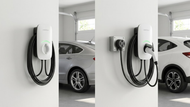
Hardwired vs Plug-In EV Charger, Which Is Better?
Posted by LINIOTECH on Sep 21st 2026
A Level 2 EV charger can make daily electric-vehicle ownership much easier. Still, before installation, homeowners usually face one important question: should the charger be hardwired or plugged into a 240V outlet?
Both options can work well when installed correctly. A plug-in EV charger connects to a compatible outlet such as NEMA 14-50 or NEMA 6-50. A hardwired EV charger connects directly to a dedicated electrical circuit and has no removable plug. The better choice depends on charging speed, installation location, amperage, safety requirements, local code, budget, and whether the charger is part of a wider solar-plus-storage system.
For many permanent home charging setups, hardwired installation is the stronger long-term choice. For some users, especially renters or homeowners with an existing properly installed 240V outlet, a plug-in charger can still be practical and cost-effective.
This guide compares both options clearly so you can choose the right EV charger setup before buying equipment or scheduling installation.
|
Quick Answer: Choose a hardwired EV charger if you want a permanent, outdoor-friendly, higher-power Level 2 setup with fewer exposed connection points. Choose a plug-in EV charger if you already have a properly installed NEMA outlet, want flexibility, or may move the charger later. In both cases, use a qualified electrician and verify panel capacity, circuit size, charger amperage, vehicle compatibility, and local electrical code. |
What Is a Hardwired EV Charger?
A hardwired EV charger is connected directly to a dedicated branch circuit. Instead of plugging into a wall outlet, the charger is permanently wired into the electrical system by a qualified electrician.
This setup is common for permanent Level 2 home chargers, outdoor chargers, higher-amperage chargers, commercial chargers, and installations where long-term reliability matters more than portability.
A hardwired charger may look cleaner on the wall because there is no large outlet, plug, or dangling supply cord between the charger and the receptacle. It also reduces one potential weak point in the charging system: the plug-and-receptacle connection.
For homeowners comparing charger types for the first time, it helps to read the LINIOTECH guide on Level 1 vs Level 2 EV charging before choosing the final installation style.
What Is a Plug-In EV Charger?
A plug-in EV charger connects to a 240V receptacle, often a NEMA 14-50 or NEMA 6-50 outlet. The charger can be unplugged from the outlet, which gives the owner more flexibility if the charger needs to be replaced, moved, or taken to another property.
Plug-in chargers are popular because they feel familiar. Many EV owners like the idea of installing an outlet first and then connecting a charger without opening the wiring again. This can be convenient when the outlet already exists and was installed correctly for EV charging.
However, a plug-in charger is not automatically simpler from a safety perspective. The outlet, breaker, wiring, receptacle quality, mounting location, weather protection, and charger amperage still need to match the load. EV charging is a continuous load, often running for several hours, so weak receptacles or undersized circuits can become a real problem.
LINIOTECH UL Electric EV Charger LTN-AC010K-US-A is an example of a 240V Level 2 charger designed for daily home charging, with product specifications that list a 40A rated current and 9.6kW output.
Hardwired vs Plug-In EV Charger: Main Differences
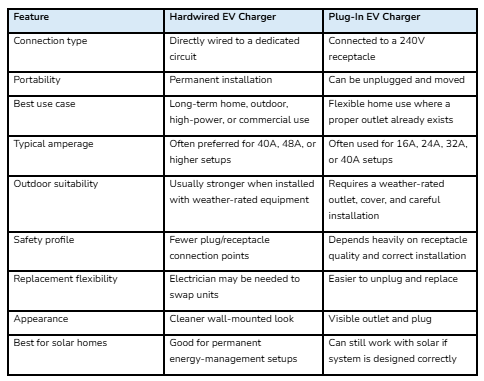
Which One Charges Faster?
Hardwired chargers do not automatically charge faster just because they are hardwired. Charging speed depends mainly on charger amperage, voltage, the circuit, and the vehicle’s onboard charging limit.
At 240V, approximate Level 2 charging power looks like this:
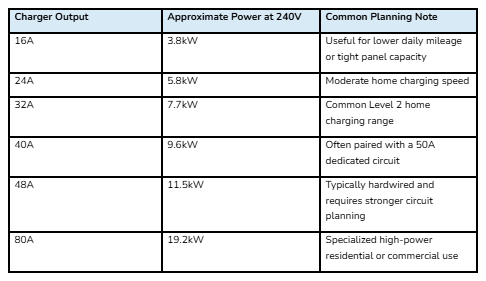
A 40A plug-in charger and a 40A hardwired charger can provide similar charging power if both are installed correctly and the EV can accept that rate. The difference is that higher-current chargers are more likely to require hardwired installation, depending on the product and local code.
Also, the vehicle itself matters. If your EV can only accept 32A on Level 2 charging, installing a 48A charger will not make that vehicle charge at 48A. The charger can offer power, but the car decides how much it can accept within its onboard limit.
Safety: Why Hardwired Chargers Are Often Preferred
EV charging is different from briefly using a household appliance. A Level 2 charger may operate for hours at a steady load. That makes connection quality, heat management, circuit sizing, and code compliance very important.
Hardwired chargers are often preferred because they remove the plug-and-receptacle interface. That means there is one less connection point that can loosen, overheat, corrode, or wear out over time.
Hardwiring is especially attractive for:
- Outdoor charger installations
- High-amperage Level 2 charging
- Daily charging for long commutes
- Homes with multiple EVs
- Commercial or shared parking applications
- Permanent solar-plus-storage energy systems
That does not mean plug-in chargers are unsafe. A plug-in charger can be safe when the receptacle is correctly rated, professionally installed, protected from weather, matched to the charger, and inspected where required. The problem is that not every 240V outlet was installed with continuous EV charging in mind.
When a Plug-In EV Charger Makes Sense
A plug-in EV charger may be the better choice when flexibility matters more than permanent installation.
It can make sense if:
- You already have a properly installed NEMA 14-50 or NEMA 6-50 outlet in the right location.
- You rent the property or may move soon.
- You want the option to replace the charger without rewiring.
- You drive moderate daily miles and do not need the highest charging current.
- The charger will be installed indoors in a garage with a suitable outlet.
- Your electrician confirms the receptacle, breaker, wiring, and panel capacity are appropriate.
The biggest advantage is flexibility. If the charger fails, needs upgrading, or must be moved, unplugging it is easier than disconnecting a hardwired unit. This is why some homeowners choose plug-in Level 2 chargers even when hardwiring would look cleaner.
When a Hardwired EV Charger Makes Sense
A hardwired EV charger is usually the better choice when the charger is part of a long-term energy setup rather than a temporary convenience.
Choose hardwired if:
- You want a permanent home charging station.
- The charger will be installed outdoors.
- You want 48A or higher Level 2 charging where supported.
- You want a cleaner wall-mounted installation.
- You want fewer connection points exposed to heat, movement, moisture, or wear.
- You are planning solar EV charging, battery storage, or a broader energy-management setup.
- The property may eventually support multiple EVs or heavier electrical loads.
For homes combining EV charging with solar energy, read LINIOTECH guide: Can You Charge an EV With Solar Panels at Home?
NEMA 14-50 vs NEMA 6-50 for Plug-In Chargers
Most plug-in Level 2 chargers use a large 240V receptacle. Two common options are NEMA 14-50 and NEMA 6-50.
NEMA 14-50 outlets are widely recognized because they are commonly used for RVs and some high-power appliances. NEMA 6-50 outlets are also used for 240V equipment and some EV chargers. The right plug depends on the charger model and the electrical design.
Do not assume any 240V outlet is automatically acceptable for EV charging. A safe installation should confirm:
- Correct receptacle type for the charger plug
- Proper breaker size
- Correct wire gauge and conductor type
- Dedicated circuit requirements
- Weather protection if outdoors
- GFCI and local code requirements
- Receptacle quality suitable for repeated high-load use
If the outlet was originally installed for a dryer, welder, RV, or older appliance, ask an electrician whether it is suitable for continuous EV charging before using it.
Circuit Size and the 80% Continuous Load Rule
EV charging is generally treated as a continuous load. That means the circuit must be sized with extra capacity instead of being loaded to its full breaker rating for hours.
A simple planning example: a 40A Level 2 charger is commonly paired with a dedicated 50A circuit. That does not mean every 50A outlet should be used without inspection. It means the circuit, breaker, wiring, receptacle, and charger setting all need to match.
Common planning examples include:
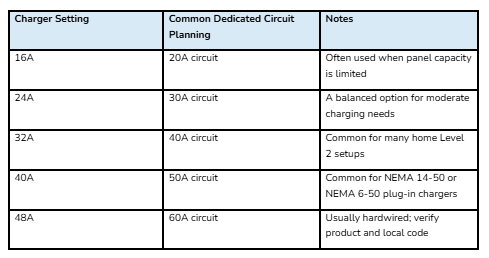
Always use the charger manufacturer’s instructions and local electrical code. The table above is for planning discussion, not a wiring instruction.
For a deeper pre-installation check, link this article to LINIOTECH guide: Can Your Electrical Panel Handle a Level 2 EV Charger?
Outdoor Installation: Which Is Better?
For outdoor charging, hardwired is often the cleaner and more durable option. Outdoor plug-in installations can work, but they require the right weather-rated receptacle, cover, mounting method, cord management, and inspection.
Outdoor EV charging should account for:
- Rain, snow, humidity, and temperature changes
- Cable strain and trip hazards
- Receptacle cover and enclosure rating
- Cord reach without stretching
- Charger enclosure rating
- Vehicle parking position
- Local permitting and inspection rules
LINIOTECH IP65 Waterproof UL Certified EV Charger is especially relevant for users comparing outdoor charger options because weather resistance is a key buying factor for driveway and exterior-wall installations.
Solar EV Charging: Does Hardwired or Plug-In Matter?
The charger connection type does not decide whether your EV can charge from solar. Solar EV charging depends on the full system: solar array size, inverter capacity, battery storage, charger power, home load, and energy-management settings.
However, hardwired chargers are often better suited to permanent solar-powered homes because they fit neatly into a planned electrical system. A hardwired charger can be installed as part of a complete home-energy design that considers solar production, battery storage, load management, and future expansion.
Plug-in chargers can still work in solar homes. The key is making sure the EV charger, solar system, and home electrical panel are planned together instead of treating the charger as a random appliance added later.
For related solar-EV topics, connect this blog to How Many Solar Panels Do You Need to Charge an EV? and Do You Need a Battery to Charge an EV With Solar?.
Battery Storage and EV Charging
EV charging can become one of the largest loads in a home. If the charger runs at the same time as air conditioning, cooking equipment, heat pumps, laundry, or water heating, the home’s total demand can rise quickly.
Battery storage can help in several ways:
- Store solar energy for evening or overnight EV charging
- Reduce reliance on peak-rate grid electricity
- Support selected loads during outages
- Smooth energy use when solar production changes
- Improve the value of a home solar system
LINIOTECh Residential Energy Storage System and Hybrid Inverter solutions are relevant for homeowners who want EV charging to work with solar panels and LiFePO4 battery storage instead of depending only on the grid.
Cost: Which Option Is Cheaper?
The cheaper option depends on the home. A plug-in charger may cost less if a suitable 240V outlet already exists in the right location and is confirmed safe for EV charging. But if a new outlet, breaker, wire run, permit, weatherproof enclosure, or panel work is needed, the price difference may shrink.
A hardwired charger may cost slightly more to install in some cases because the electrician connects the unit directly. But it can avoid some receptacle-related costs and may be preferable for outdoor or higher-current charging.
Do not choose based only on the charger purchase price. Compare total installed cost:
- Charger hardware
- Electrical labor
- Wire run distance
- Breaker and panel work
- Receptacle or hardwire materials
- Permit and inspection costs
- Outdoor weatherproofing
- Future upgrade needs
Which Is Better for Renters?
Plug-in chargers are usually more practical for renters, especially if the property already has a compatible outlet or the landlord approves installation of one. A plug-in unit gives the renter a better chance of taking the charger when moving.
However, renters should still avoid unsafe shortcuts. Extension cords, adapters, loose outlets, shared circuits, or unapproved installations can create risk and may violate lease terms or local code. Always get permission and use qualified installation help.
Which Is Better for Homeowners?
For homeowners planning to stay in the property, hardwired is often the better long-term decision. It looks cleaner, supports permanent charging habits, reduces exposed connection points, and is often preferred for higher-power charging or outdoor installations.
A plug-in charger may still be the right choice if the homeowner wants flexibility, already has a suitable outlet, or expects to change chargers later. The decision should be based on the actual electrical setup, not only convenience.
Decision Guide: Choose Hardwired or Plug-In
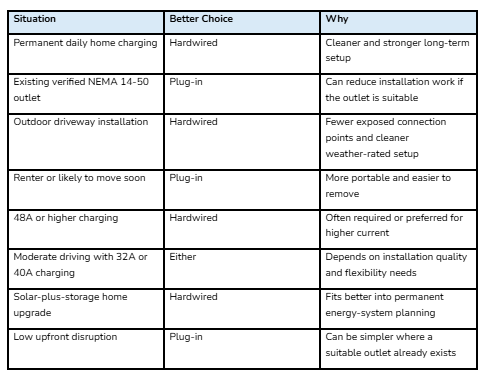
Common Mistakes to Avoid
Mistake 1: Buying the Charger Before Checking the Panel
A charger’s rated output means little if the electrical panel cannot safely support it. Check panel capacity, available breaker space, wire path, and other household loads before choosing amperage.
Mistake 2: Assuming Every NEMA 14-50 Outlet Is EV-Ready
A NEMA 14-50 outlet is common for Level 2 charging, but the outlet must be correctly installed, rated, protected, and suitable for continuous EV charging. Older or low-quality receptacles should be reviewed before use.
Mistake 3: Ignoring the Vehicle’s Onboard Charger Limit
The EV’s onboard charger determines how much AC charging power the vehicle can accept. A larger wall charger does not override the car’s maximum Level 2 charge rate.
Mistake 4: Using Extension Cords or Adapters
EV chargers should not be treated like casual portable electronics. Extension cords and random adapters can introduce heat, voltage drop, poor grounding, and code issues.
Mistake 5: Forgetting Future Energy Needs
Today’s charger may be enough for one EV, but future needs may include a second EV, solar panels, battery storage, heat pumps, or electric appliances. Planning ahead can reduce future upgrade costs.
LINIOTECH Recommendation
For most permanent home EV charging installations, a hardwired Level 2 charger is the stronger long-term option. It is especially suitable for outdoor charging, higher power levels, cleaner wall mounting, and homes that may later integrate solar panels and battery storage.
For users who want flexibility, already have a properly installed outlet, or may move the charger later, a plug-in Level 2 charger can still be a good fit. The key is making sure the outlet and circuit are designed for EV charging, not simply assuming any 240V receptacle will work.
To compare charging equipment for home and solar-powered applications, explore LINIOTECH’s Electric Vehicle EV Charger collection. For homeowners planning a complete energy setup, pair EV charging decisions with solar panels, hybrid inverter capacity, and battery storage planning from the beginning.
Final Thoughts
So, which is better: a hardwired or plug-in EV charger?
Choose hardwired if you want a permanent, safer-feeling, outdoor-ready, high-power charging setup with fewer exposed connection points. Choose plug-in if you value flexibility, already have a suitable 240V outlet, or may move the charger in the future.
Both options can work. The right answer depends on your home, vehicle, daily mileage, electrical panel, installation location, and long-term energy plans.
Before installation, check your EV’s charging limit, choose the right amperage, confirm circuit capacity, and hire a qualified electrician. If you are also planning solar panels or battery storage, design the EV charger as part of the whole home energy system instead of adding it as an afterthought.
FAQs
Is a hardwired EV charger better than a plug-in charger?
A hardwired charger is often better for permanent, outdoor, or higher-power installations. A plug-in charger is better when flexibility and portability matter. Both can be safe if installed correctly.
Does a hardwired EV charger charge faster?
Not automatically. Charging speed depends on amperage, voltage, circuit capacity, and the vehicle’s onboard charger. Hardwired installation often supports higher current levels, but the connection type alone does not create faster charging.
Can a plug-in Level 2 charger be safe?
Yes. A plug-in Level 2 charger can be safe when the outlet, breaker, wiring, receptacle, charger, and installation all meet code and manufacturer requirements.
Can I use a NEMA 14-50 outlet for EV charging?
Yes, NEMA 14-50 outlets are commonly used for plug-in Level 2 chargers. However, the outlet must be properly installed and suitable for continuous EV charging.
Does a 40A EV charger need a 50A circuit?
In common Level 2 planning, a 40A EV charger is usually paired with a dedicated 50A circuit because EV charging is treated as a continuous load. Always follow local code and manufacturer instructions.
Why are 48A EV chargers usually hardwired?
A 48A charger typically needs a stronger dedicated circuit and is commonly installed as a permanent hardwired unit. Product instructions and local electrical rules determine the final requirement.
Which EV charger is better outdoors?
Hardwired is often preferred outdoors because it reduces exposed plug-and-receptacle connections. A plug-in outdoor setup can work only when the receptacle, cover, enclosure, and installation are properly weather-rated.
Can I install an EV charger myself?
EV charger installation often requires electrical modifications, permits, inspection, and code compliance. A qualified electrician is strongly recommended, especially for Level 2 chargers.
Can I charge an EV from solar with either charger type?
Yes. Solar EV charging depends on the solar array, inverter, battery storage, charger power, and energy-management design. Both hardwired and plug-in chargers can work when the system is designed correctly.
Which EV charger setup is best for LINIOTECH customers?
For permanent home or solar-integrated charging, hardwired is usually the stronger long-term choice. For users who need flexibility or already have a verified 240V outlet, a plug-in charger can also be practical.